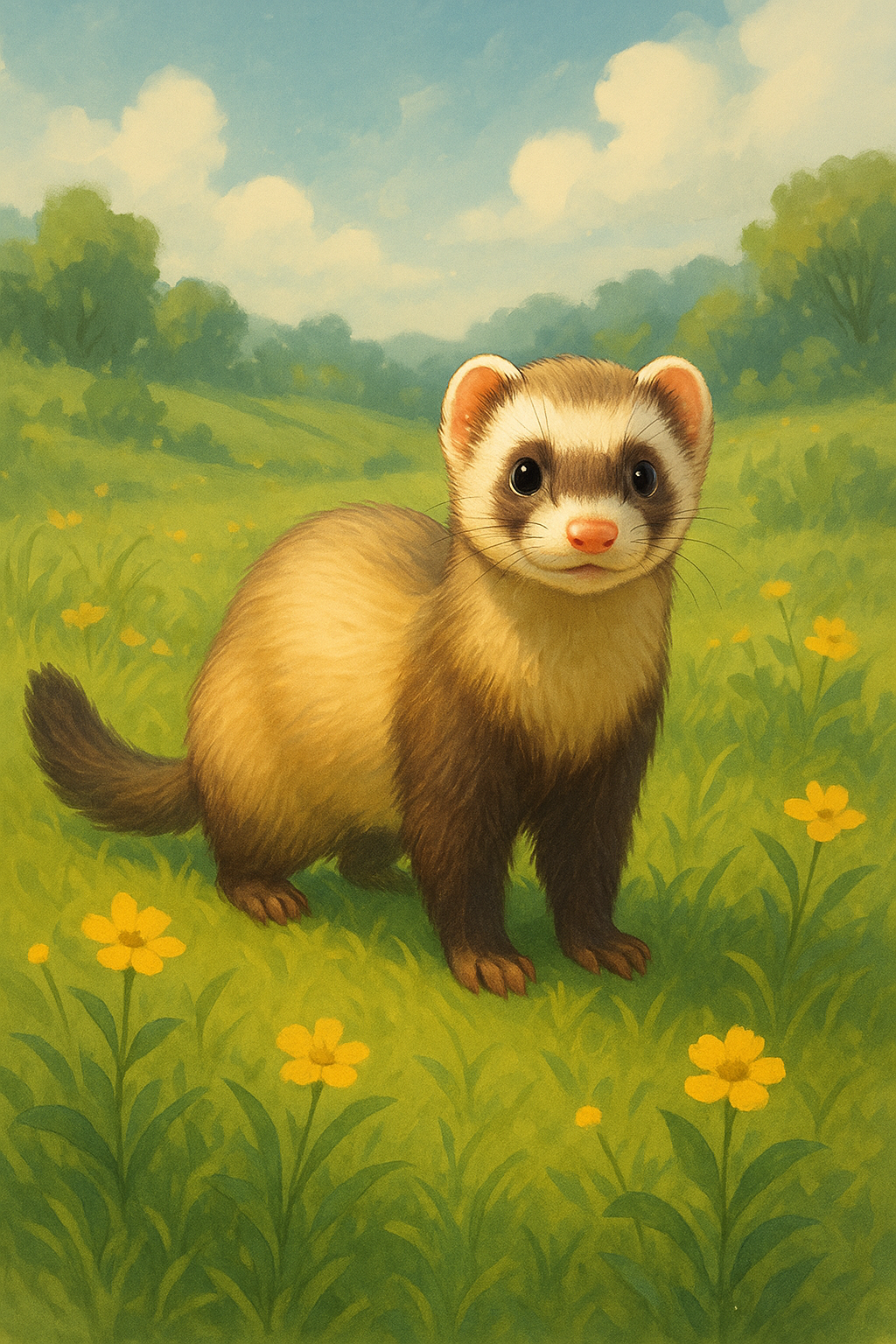
Willamette Valley Ferret Shelter
Discover, adopt, and support ferrets in the Willamette Valley.
Ferrets are wonderful companions for the right families.
Our mission is to share the knowledge, resources, and support to make every adoption a success.
Ferrets are intelligent, playful companions who thrive in the right homes. At Willamette Valley Ferret Rescue, our mission is to share knowledge, resources, and support so people can better understand what makes ferrets unique—and how to care for them responsibly.
We believe that education is the foundation of every successful adoption. By learning about ferret behavior, diet, health, and housing, potential adopters are empowered to make choices that create happy, lasting bonds. Our goal is to set both families and ferrets up for success, ensuring these curious little explorers are welcomed into homes that truly fit their needs.
Beyond education, we provide a bridge to adoption for ferrets seeking safe and loving homes. On our site, you’ll find information about our adoption process, links to adoptable ferrets, and guidance to help you decide if a ferret is the right companion for you.
Rescue work is sustained through community support. Your donations, wish list contributions, and volunteer efforts directly provide food, shelter, and veterinary care for ferrets in need. Together, we can give these remarkable animals the second chance they deserve.
Whether you’re here to learn, adopt, or support, we invite you to join us in creating brighter futures for ferrets in the Willamette Valley.
Born to Play. Built to Move.
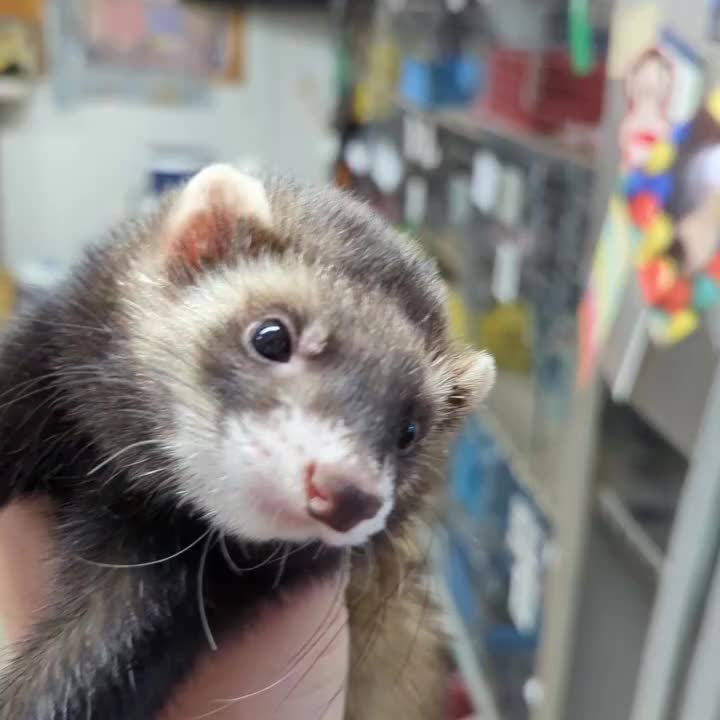
Adopting a Ferret
Thinking about adding a ferret to your family? Adopting is a rewarding way to give these curious creatures a loving home. Visit our adoption page to learn about the process, what to expect, and to connect directly with our adoptable ferrets on Petfinder.
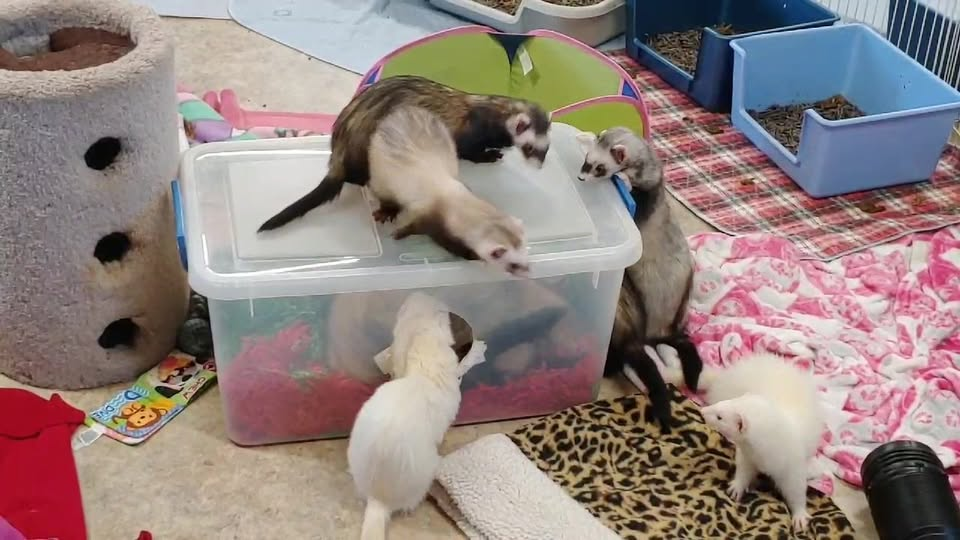
Support Our Rescue
Your donations directly help ferrets in need—providing food, shelter, and veterinary care. You can also support us through Chewy and Amazon wishlists, making it easyto give supplies that make a difference.
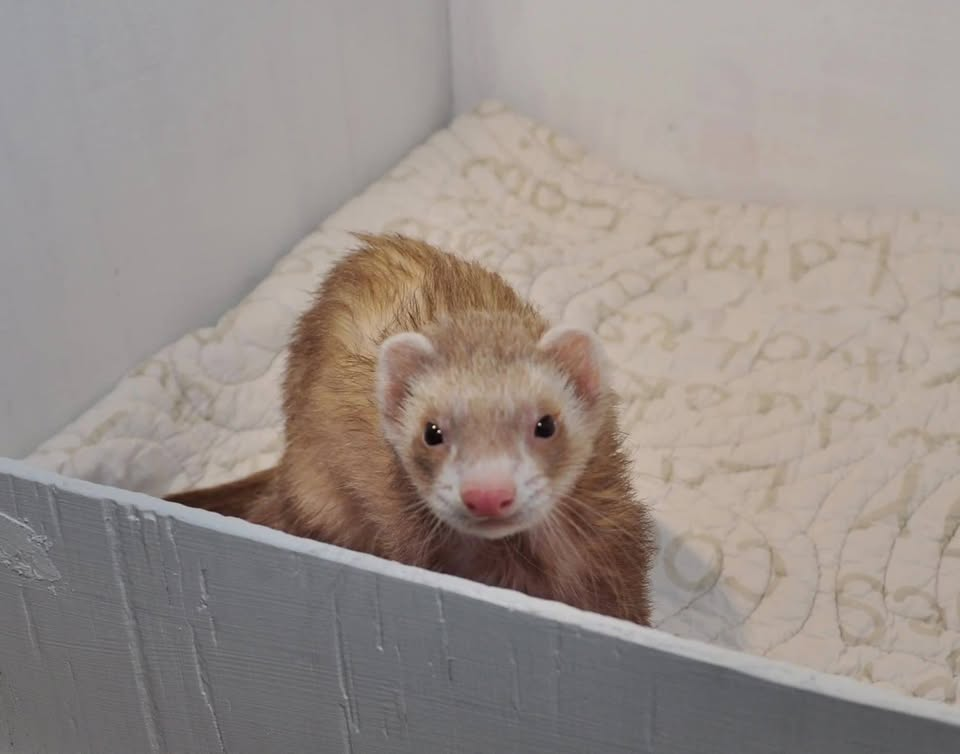
How to Get Involved
Rescues thrive on community. From volunteering your time to fostering ferrets in your home, there are many ways to make a direct impact right here in the Willamette Valley. Volunteers help with everything from education and outreach to day-to-day care, while foster families provide safe, loving spaces for ferrets as they await adoption.
What Our Community Says
Adopting through Willamette Valley Ferret Rescue was one of the best decisions I’ve ever made. The team made sure I understood ferret care, and now my little one is thriving in her forever home.
— Rebecca M., Parent
“
I started fostering to help out just for a few weeks, but it turned into one of the most rewarding experiences. Each ferret has its own personality, and being part of their journey is incredible.
— Sophia R., Parent
“
I started fostering to help out just for a few weeks, but it turned into one of the most rewarding experiences. Each ferret has its own personality, and being part of their journey is incredible.
— Sophia R., Parent
“
Meet the Ferrerts
-
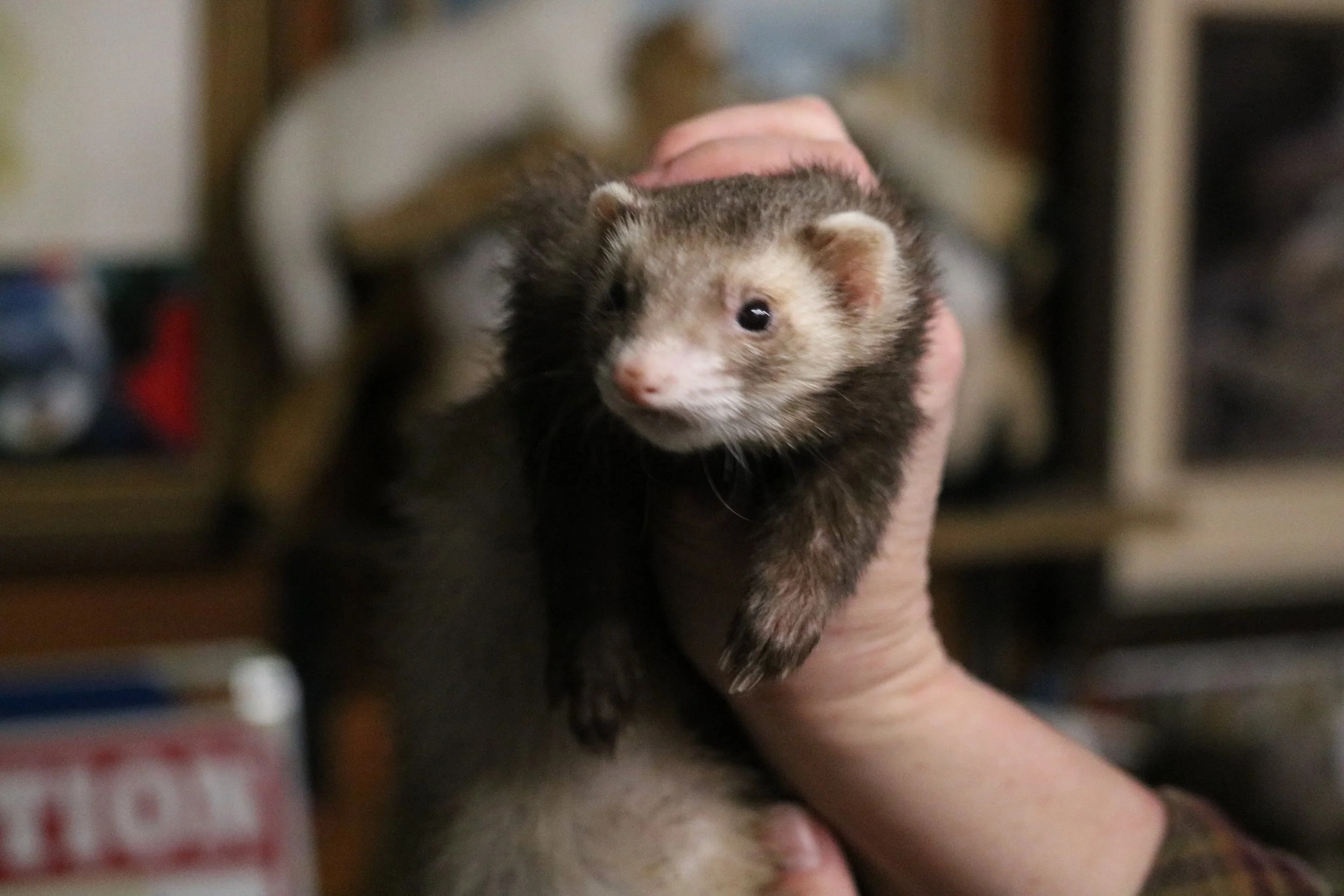
Artemis
Available for Adoption
-
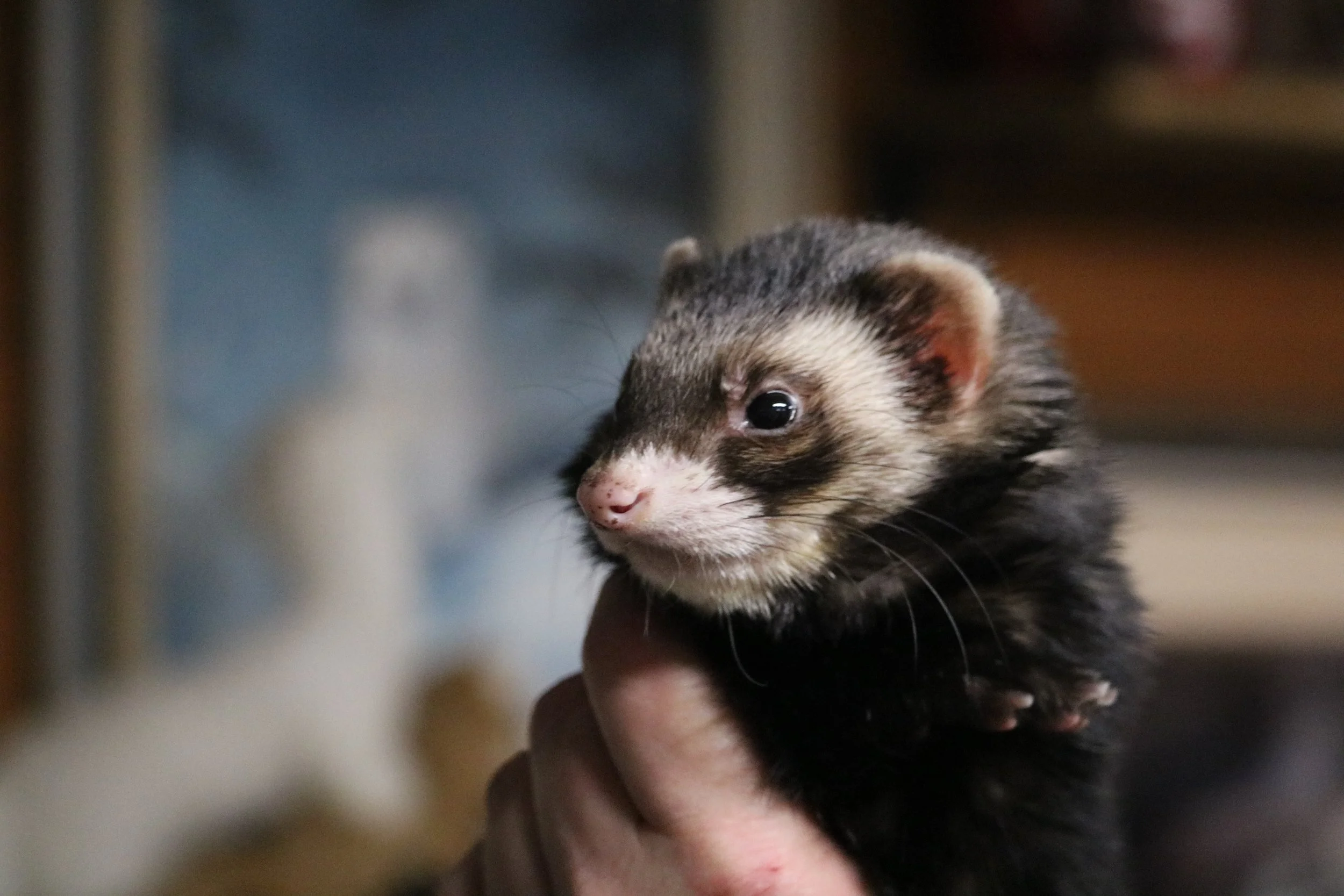
Prince
Available for Adoption
-
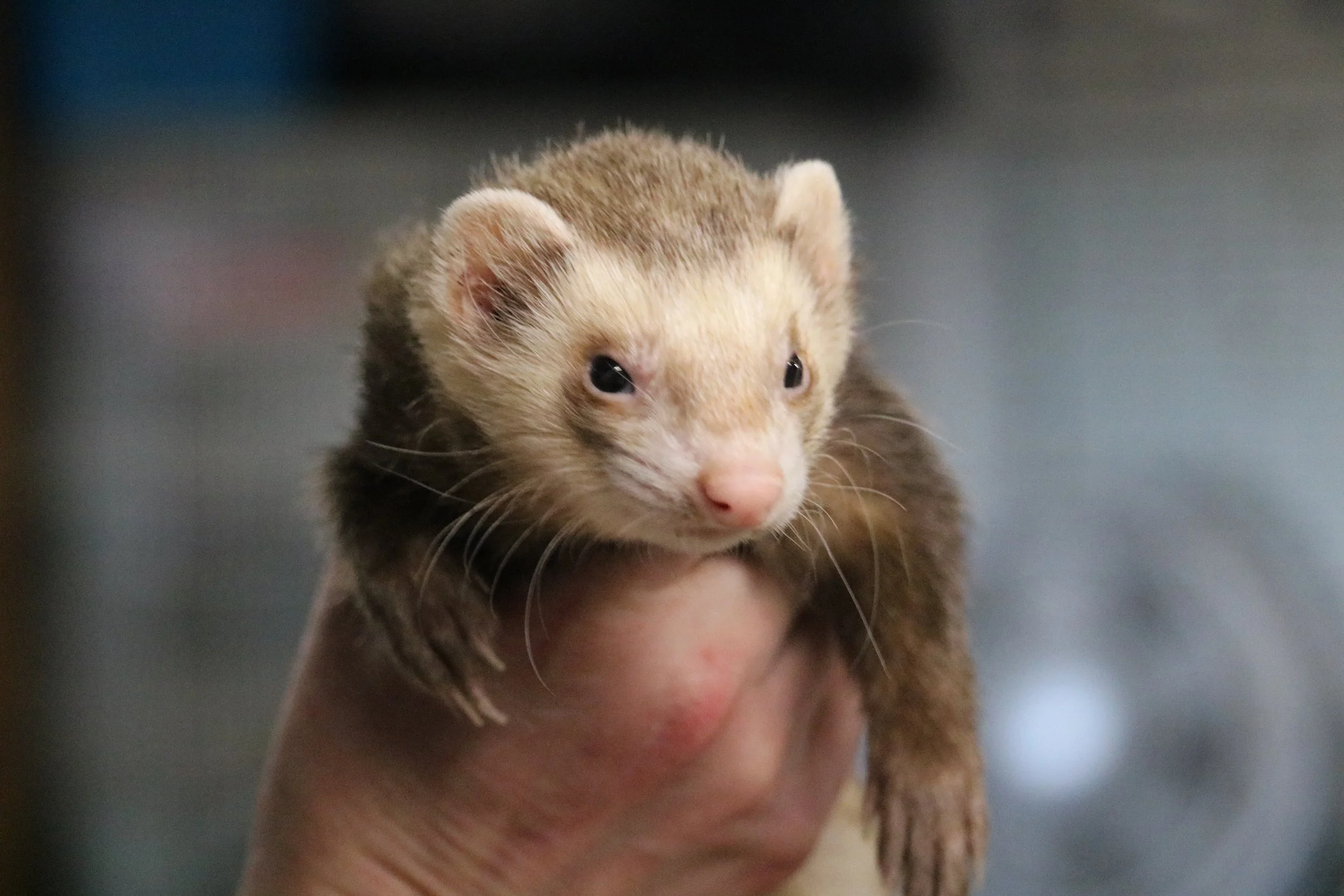
Shellington
Available for Adoption
-
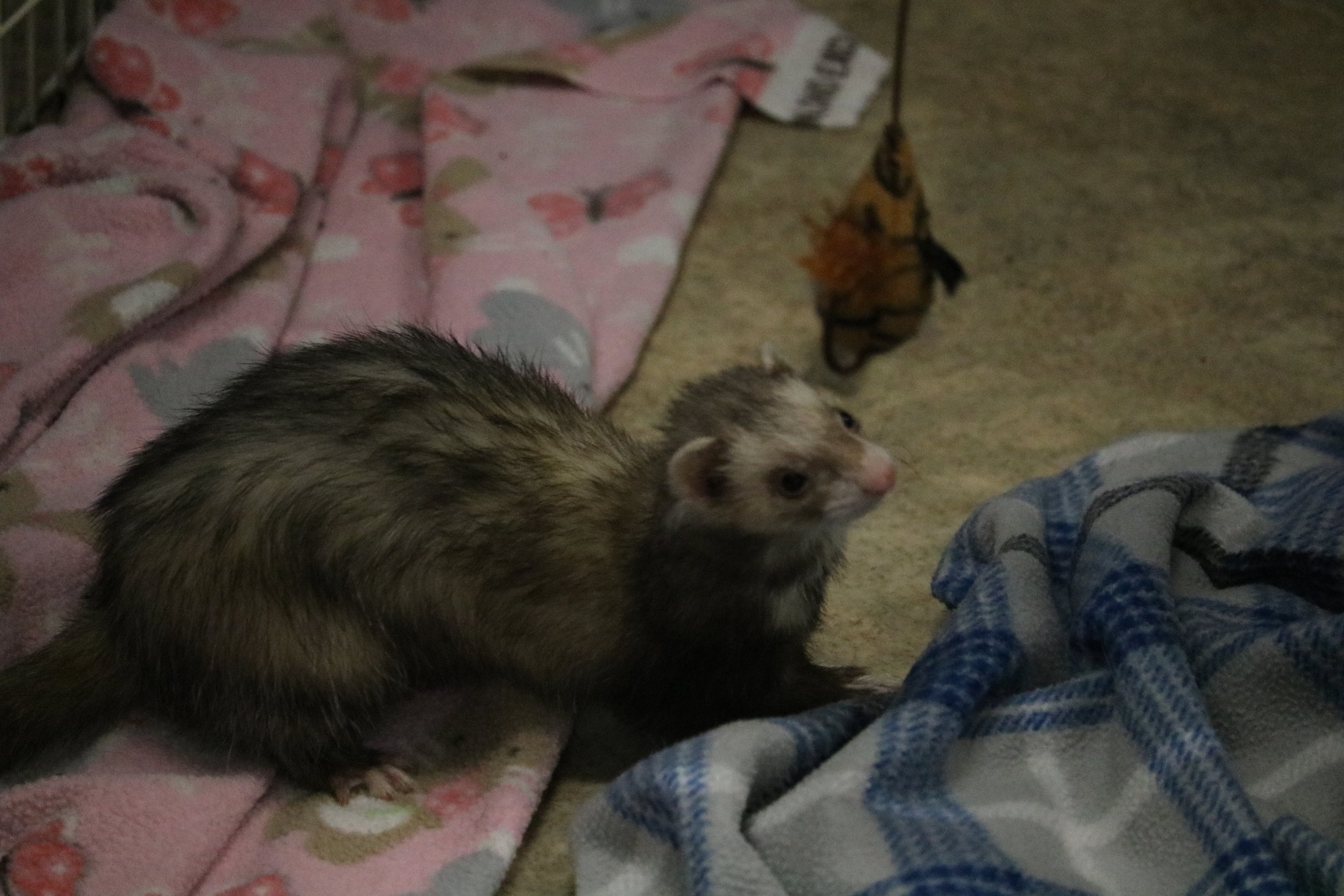
Snot Bag 1
-
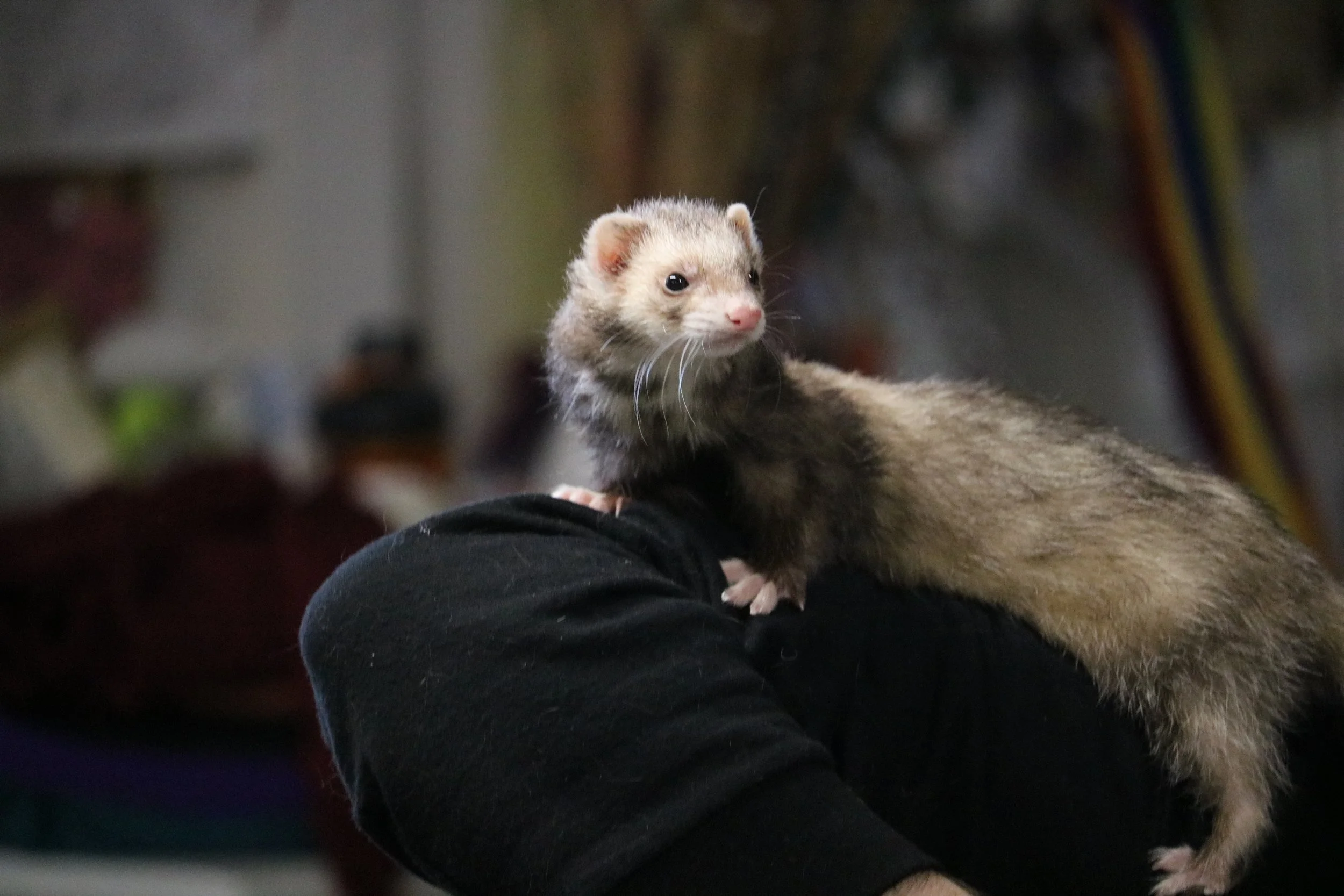
Different Snot Bag
-
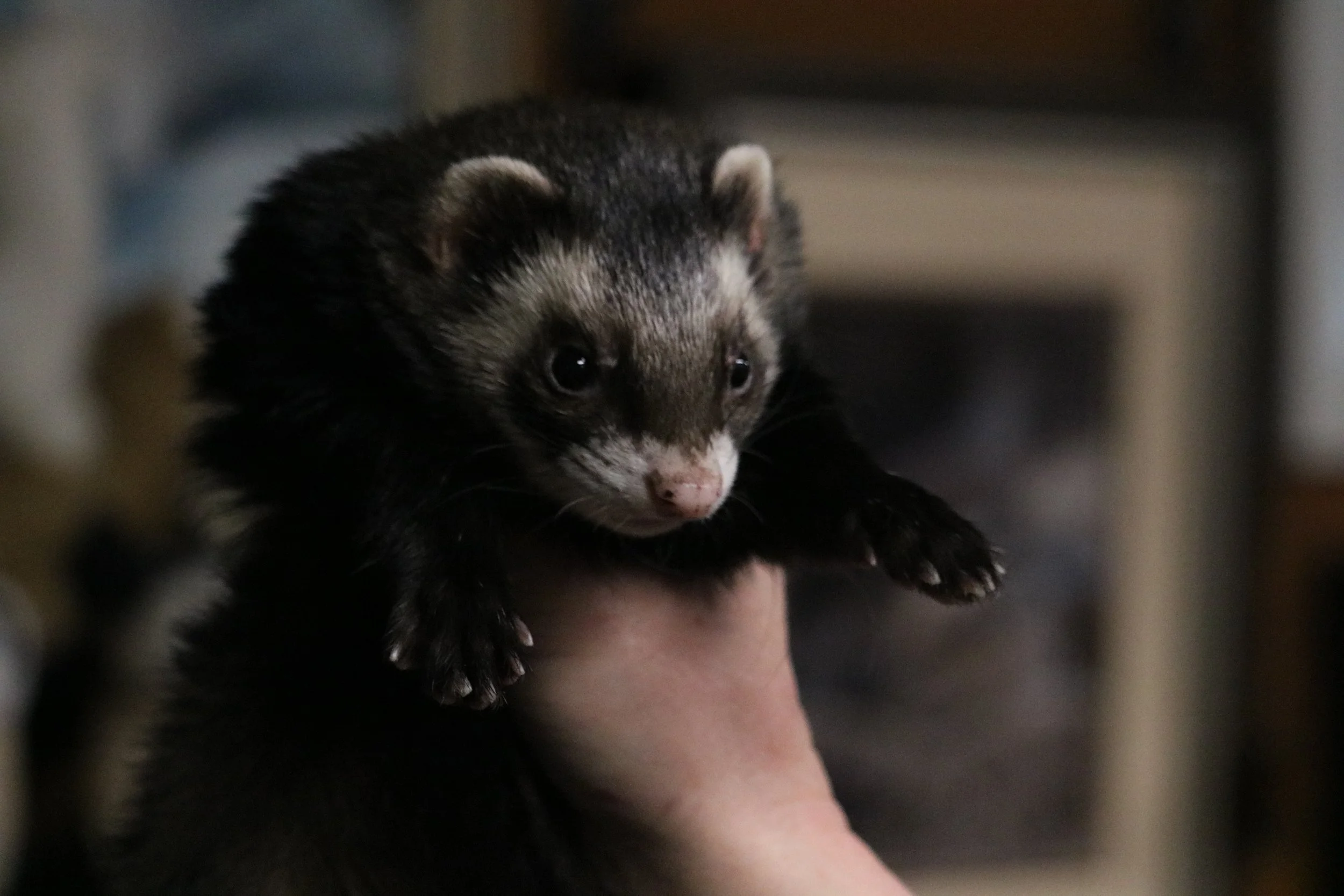
Jamie Kokot
Ferrets not available for adoption - but would love your support!
-
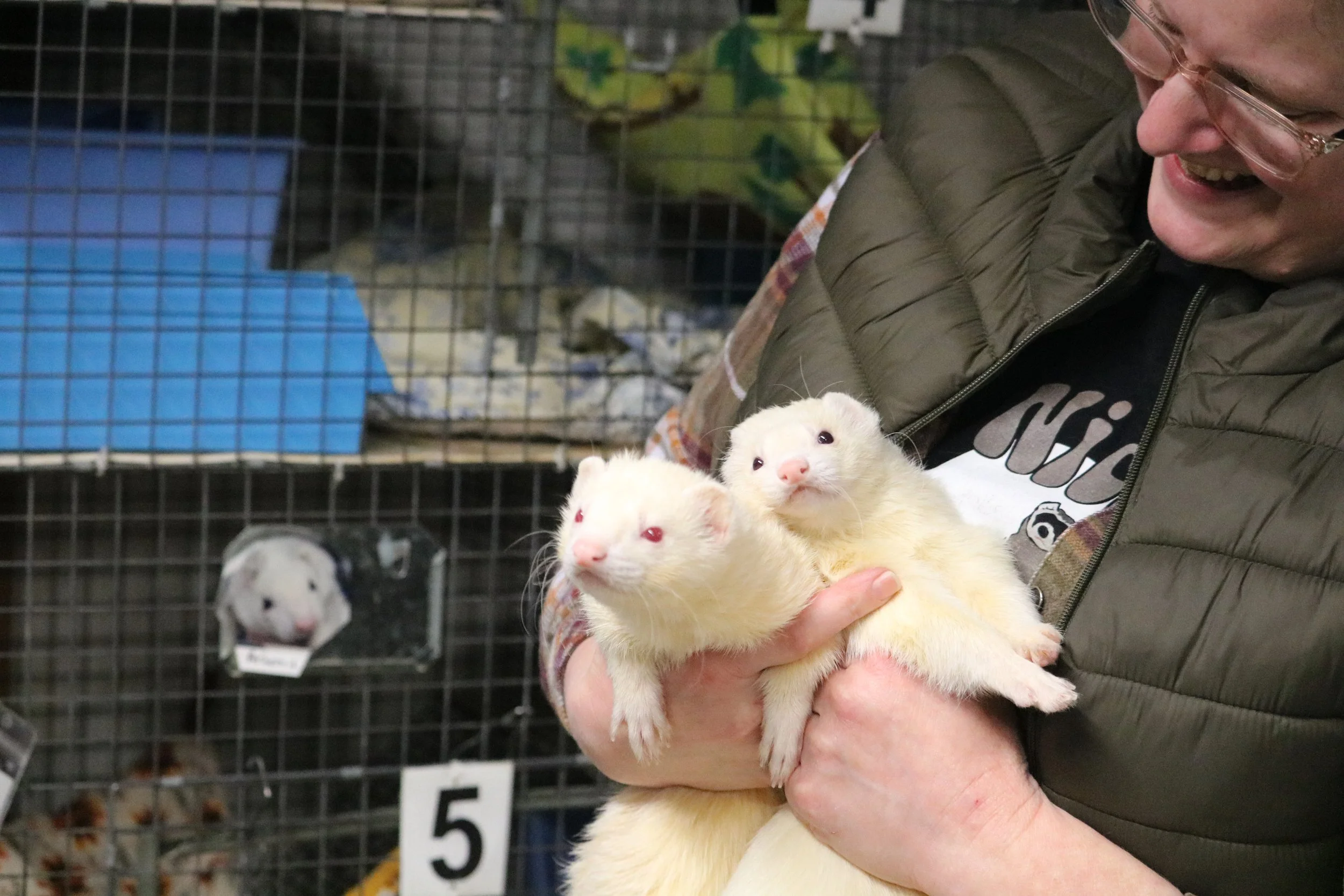
Polar Bear Guys
-
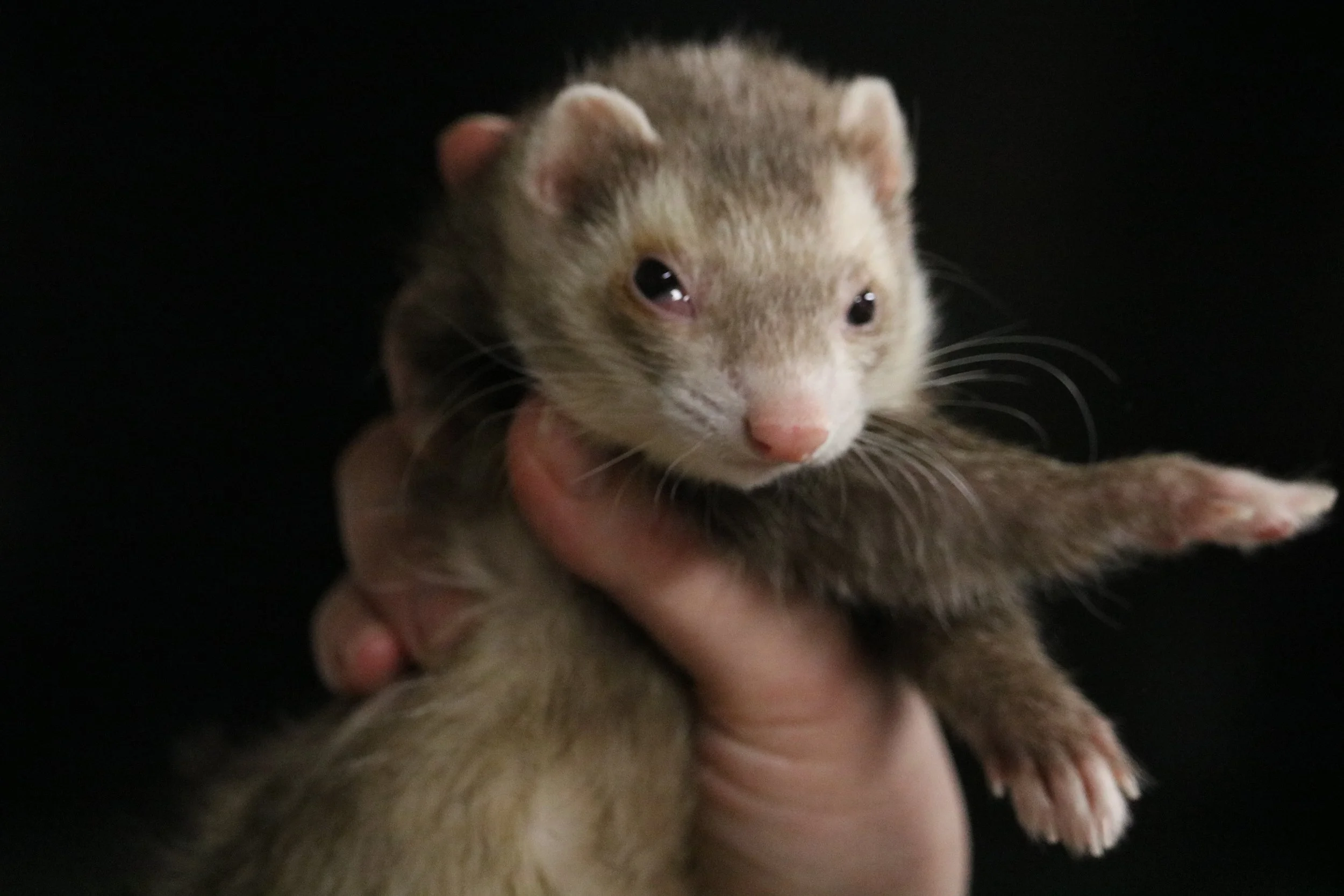
Snot Bag 2
Diagnosed with Insulinoma
-
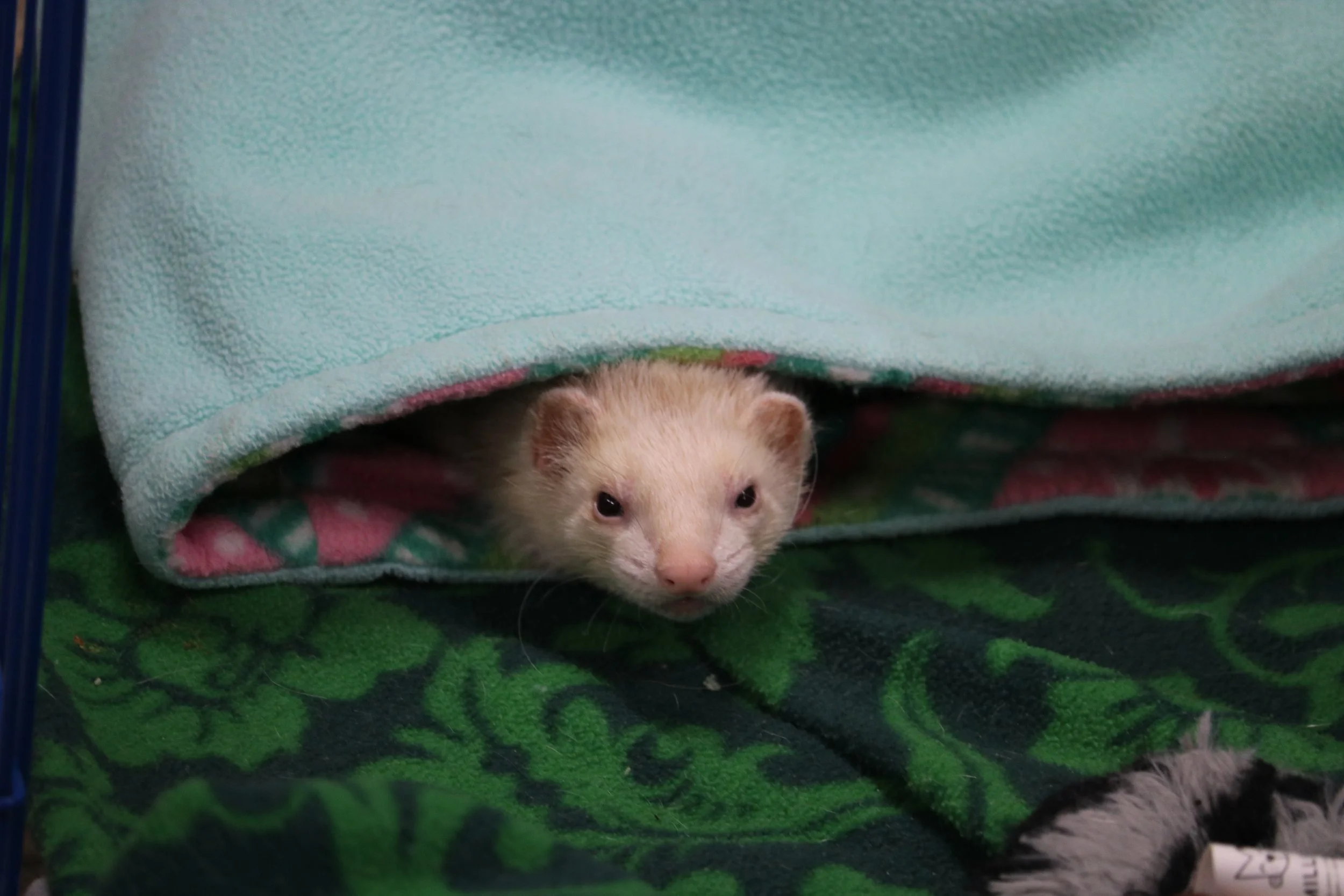
Snot Bag 3
Diagnosed with Lymphoma
-

Karl Holland
SALES MANAGER
-

Jaya Dixon
MARKETING DIRECTOR
-

Jamie Kokot
CUSTOMER SERVICE MANAGER
You’ve got questions,
we’ve got answers
-
Ferrets are small, playful members of the weasel family (Mustelidae). They’ve been domesticated for thousands of years and are known for their curiosity, intelligence, and mischievous personalities. Ferrets typically live 6–10 years when cared for properly.
-
Ferrets are obligate carnivores, which means they need a diet high in animal protein and fat. The best options are high-quality ferret foods or kitten foods formulated with at least 35–40% protein. Treats should be given sparingly, and sugary or carb-heavy foods (like fruits, vegetables, or dairy) should be avoided, as ferrets can’t digest them well.
-
Ferrets make wonderful pets for the right person. They require daily playtime, safe housing, and regular veterinary care. They’re highly social and thrive on interaction, but they can also be a bit mischievous, needing “ferret-proofed” spaces to explore. Ferrets are not low-maintenance pets, but they can be deeply rewarding companions if you’re ready for their energy and quirks.
-
Ferrets are energetic, playful, and very curious. It’s normal for them to:
Bounce and hop around (“the weasel war dance”) when excited.
Tunnel into blankets or hide in small spaces.
Sleep up to 16–18 hours a day, often in silly positions.
They can also nip when young, but with training and socialization, they grow into gentle companions.
-
Ferrets need:
A safe, enriched environment with time outside their cage every day.
Regular veterinary checkups (including vaccines and preventive care).
A proper carnivore diet.
Mental stimulation and play to prevent boredom.
Nail trimming and ear cleaning on a regular basis.
-
“Ferret-proofing” is key! Cover or block small spaces where they might squeeze in, remove unsafe objects they could chew, and keep toxic foods or plants out of reach. Provide safe toys, tunnels, and sleeping spots. Think of it like baby-proofing—but for a very curious, flexible pet!
-
Feed them a proper carnivore diet.
Provide yearly vet visits and vaccinations.
Keep their environment clean.
Monitor for common health issues like adrenal disease or insulinoma (both common in older ferrets).
Give them lots of enrichment and social interaction to keep them mentally healthy too.
-
Ferrets need a spacious cage with multiple levels, ramps, and hammocks for rest. The cage should be a safe “home base,” but ferrets should also have supervised free time outside of it every day. Litter boxes can be placed in corners—they usually learn to use them with a bit of training.
-
Always supervise playtime outside the cage.
Keep electrical cords, small objects, and unsafe areas blocked off.
Make sure windows and doors are secure—they’re escape artists!
Use ferret-safe cleaners and avoid fumes or toxic products around them.
Transport in a secure carrier when traveling.